Kenya is a year-round holiday destination and the best time to visit normally depends on what you want to see, what kind of safari experience you want to enjoy and the kind of weather you’d like to enjoy.
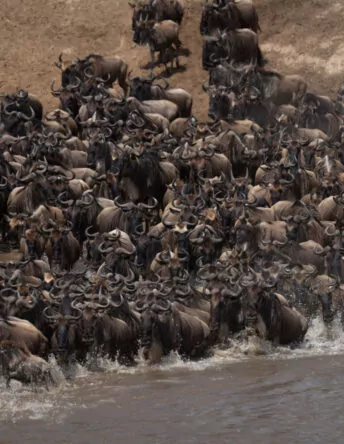
While there is no bad time to go on safari in Kenya, the months of July, August and September are conventionally recommended for travelers looking for iconic Great Migration experiences. These are months when large herds of Wildebeest migrate from Serengeti to the Masai Mara.
Being at the Mara during these months gives travelers the chance to witness this wonderful and spectacular event. This period is also the peak season so camps and lodges will be at their most expensive rate and the reserve is usually crowded. Travelers shouldn’t shy away from visiting Kenya outside the dry season.
Kenya has two dry seasons, one longer than the other one
- Longer dry Season: June to September
- Shorter dry season: January to February
and two wet or rainy seasons.
- Long Rains: March to May
- Short Rains: October to December
Every season offers its own perks therefore it is very important to time your journey around the best months to ensure you have the ultimate experience possible. The rainy season commonly known as the green or secret season is usually accompanied by heavy downpour of rain that eases off or stops after a few hours.
For those travelers who are not bound to travelling during the school holidays or great migration period, we recommend travelling during the rainy season or green season. The landscape is green as fresh grass and leaves emerge. The crowds lighten up and prices soften. You are more likely to find camps offering discounts and incentives such as “stay 4 pay 3”.
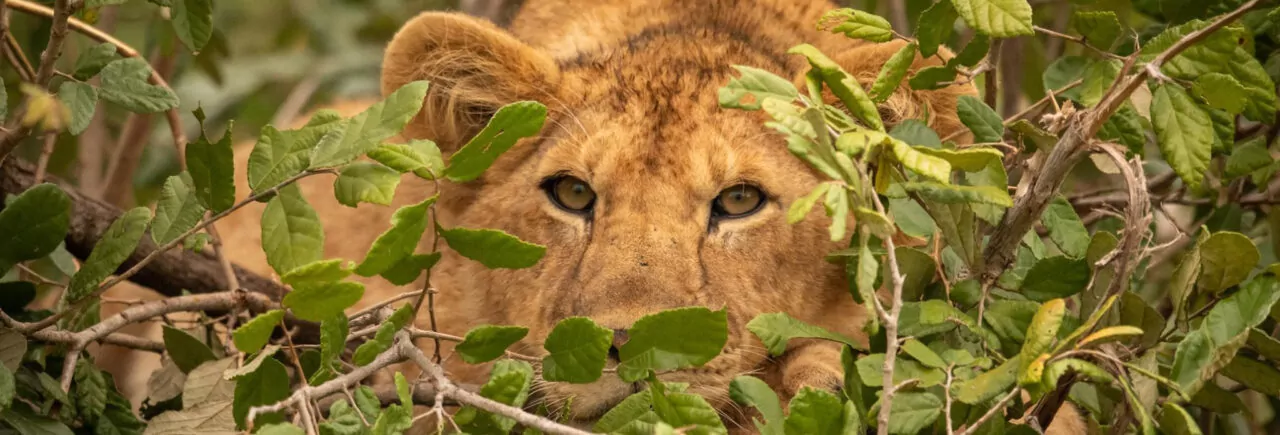
Many animals give birth during this season when there is plenty of food and water. This is a great opportunity to view the baby animals. Game viewing is in less crowded parks and you have more time to appreciate the wildlife and people you interact with. The spectacular sunsets and the lush grasslands offer beautiful scenery ideal for photography.
Travelers can visit the Kenyan Coast at any time of the year as it is usually very hot and dry and rainfall can occur anytime.
If you haven’t decided exactly where you want to visit, our monthly guide may help refine your choice
January and February
A great time to visit Kenya. With temperatures climbing up to mid-30s, the landscape is still lush from the short rains. Down at the Coast, the days are sunny and hot and the sea is at its clearest. This is a good time to plan a Safari and Beach holiday.
February is another great month for safari. The central highlands are warm during the day and cool in the evening. The grass is now getting shorter due to less rain and grazing. Lots of game babies are also born during this month and this results into great wildlife viewing experiences.
March
The last dry month just before the rainy season begins, humidity starts to pick up from mid-March and the weather changes from dry to rainy. Game viewing is still very good especially early in the month because animals can be easily found around waterholes due to limited water sources. This is an excellent time to visit the quieter parks like Meru, Tsavo and Chyulu Hills.
April and May
The long rains arrive in April through to May. The roads become impassable and muddy making game drives very challenging. At the Kenyan Coast, the beaches are not a paradise. Despite that, this is an excellent time for photographers as the landscape and sunsets are very beautiful. Many animals have young ones and there is plenty of food and water. This is a great opportunity to view baby animals.
June to October
The wet season is over and the dry season starts to kick in June. Wildlife viewing around water holes is common. There’s also an anticipation for the Great Migration.
In July the temperature is dry but not too dusty and the first herd of wildebeests arrive in The Masai Mara. August is action packed with the Great Migration now at its peak. Thousands of Zebras and Wildebeest engage in death defying river crossings as hungry crocodiles lay in wait.
The game-viewing action continues in September as the herds cross back, heading to Serengeti.
In October Wildebeest herds can still be seen in the Mara. A few showers of rain are possible. This is a good month to travel if you want to avoid crowds. The resident wildebeest populations remain in Kenya as the rest proceed to Tanzania The weather is dry and game viewing is very good throughout Kenya. The Kenyan Coast opens up with diving and snorkeling opportunities. October also marks the start of migration of whale sharks heading towards Diani Beach.
November and December
The short rains begin and most camps and lodges remain open. Some camps in Laikipia are closed. The showers tend to be shorter than those of the long rains making it possible to go on safari as the crowds are less and the rates are low giving you a good value safari.
In December the temperatures can be very hot but potentially wet. Birdlife is fantastic and game viewing generally is great. At the Kenyan Coast, the beaches are very nice and warm and a Christmas Safari and Beach Holiday remain popular.